
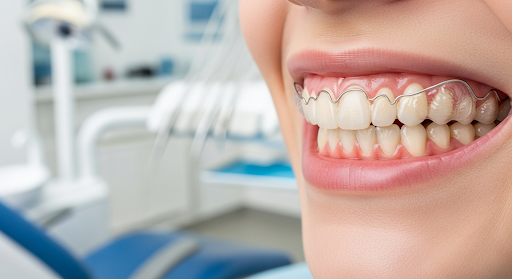
Orthodontic treatment doesn’t truly end when braces or aligners come off the real journey of maintaining that perfect smile begins afterward. That’s where retainers step in. They play a crucial role in ensuring that teeth remain in their newly aligned positions and don’t slowly drift back to their original place. This matters greatly for people who have invested time, effort, and resources into improving their smile, especially in advanced dental care destinations like teeth retainers in Dubai, where individuals seek long-term, reliable results.
Retainers are custom-designed dental appliances that help preserve alignment, stabilize the bite, protect oral health, and maintain the beautiful smile you worked so hard to achieve. In this comprehensive guide, let’s dive into what retainers are, their different types, why they are essential, key benefits, and how to care for them effectively.
Why Are Retainers Necessary After Orthodontic Treatment?
After orthodontic correction whether through braces or aligners your teeth are repositioned, but the surrounding bone, ligaments, and gums need time to stabilize. Teeth naturally have a “memory,” and they tend to shift back toward their earlier position, especially in the first few months after treatment. Everyday functions like chewing, biting, and swallowing, along with habits like clenching, grinding, or tongue thrusting, can subtly push teeth out of alignment again.
Retainers act as protective guards that hold teeth in place until supporting tissues adapt and strengthen around the new alignment. Without them, the entire orthodontic effort may gradually reverse, leading to bite problems, aesthetic concerns, and potentially another round of treatment later.
Types of Teeth Retainers
Different types of retainers comes with its own structure, advantages, functionality, and care requirements. Understanding these differences can help patients make informed decisions along with their orthodontist.
1. Removable Retainers
As the name suggests, removable retainers can be worn and removed as needed. They are popular due to convenience, flexibility, and ease of hygiene maintenance.
2. Hawley Retainers
Hawley retainers are one of the most traditional and widely recognized types. They consist of a plastic or acrylic base that sits comfortably on the palate or behind the lower teeth, paired with a thin metal wire running across the front teeth to hold them in position.
Advantages:
- Durable and long-lasting
- Adjustable by the orthodontist for minor corrections
- Allows natural bite movement while maintaining alignment
Points to Consider:
- The visible wire makes them more noticeable
- May initially feel slightly bulky
- Can temporarily affect speech until the wearer gets used to it
3. Clear (Vacuum-Formed) Retainers
Clear retainers, often made from transparent thermoplastic material, are a modern and highly aesthetic option. They fit snugly over teeth and are almost invisible, making them appealing for individuals who prefer discreet retention.
Advantages:
- Nearly invisible
- Lightweight and comfortable
- Easy to wear daily without feeling conscious
Points to Consider:
- Can crack if mishandled
- Needs careful storage to avoid warping
- Requires disciplined wearing habits to stay effective
4. Permanent (Fixed or Bonded) Retainers
Fixed retainers involve a thin wire bonded to the back of teeth usually the lower front teeth to hold them securely in alignment. They are not visible when smiling and stay in place permanently unless removed by a dentist.
Advantages:
- No need to remember to wear or remove
- Provides consistent retention around the clock
- Excellent for preventing relapse in complex alignment cases
Points to Consider:
- Requires careful cleaning to prevent plaque buildup
- Can break if excessive force is applied
- Needs professional monitoring
Benefits of Wearing Retainers
Retainers are not just post-treatment add-ons they are essential for safeguarding both aesthetics and oral health.
1. Maintains Teeth Alignment
Their primary role is to ensure teeth stay straight and stable. Without them, gradual shifting is almost inevitable, undoing months or years of orthodontic work.
2. Supports Jaw and Bite Stability
Retainers help stabilize bite alignment improvements such as corrected overbites, underbites, and crossbites, ensuring comfortable chewing and reduced strain on jaw muscles.
3. Enhances Oral Health
Properly aligned teeth are easier to clean, reducing risks of gum disease, decay, and plaque buildup. Retainers help maintain spacing that allows better brushing and flossing access.
4. Protects Confidence and Appearance
A straight smile isn’t just cosmetic it influences confidence, communication, and self-esteem. Retainers help preserve that confident appearance long-term.
How Long Should Retainers Be Worn?
Duration varies from person to person. Initially, many orthodontists recommend full-time wear, gradually reducing to night-time use as the teeth stabilize. However, many experts suggest lifelong nighttime wear to ensure results remain permanent. Your orthodontist will guide you depending on your age, treatment complexity, and individual dental structure.
Essential Retainer Care Tips
Retainer care plays a major role in hygiene, comfort, and longevity.
For Removable Retainers
- Clean daily using mild cleanser or orthodontic cleaning tablets
- Avoid hot water, which can distort shape
- Always store in a protective case
- Keep away from pets many love chewing them!
For Fixed Retainers
- Maintain excellent brushing and flossing habits
- Use floss threaders or interdental brushes to clean between wires
- Visit your dentist regularly to ensure it’s functioning well
- Report damage or loosening immediately
Choosing the Right Retainer
Selecting the right retainer depends on lifestyle, age, discipline level, orthodontic history, and personal comfort preferences. Some prefer removable retainers for flexibility, while others benefit more from fixed options due to consistency. Cost, durability, appearance, and maintenance effort also influence the decision. Ultimately, your orthodontist will recommend the best approach tailored to your needs.
Conclusion
Retainers are an essential continuation of orthodontic treatment not just optional accessories. They help maintain alignment, safeguard dental health, and protect the investment you’ve made in achieving a beautiful smile. Whether removable or fixed, when used correctly and cared for properly, retainers ensure that your teeth remain stable, functional, and aesthetically pleasing for years to come. With thoughtful selection, professional guidance, and consistent maintenance, they truly help preserve the smile you love, making the journey toward long-term dental stability worthwhile with the best retainers supporting your results.
Many people looking to maintain their orthodontic results appreciate clinics that combine expertise with comfort and modern technology, and Queens Medical Center is often mentioned for its supportive approach to retainers and post-treatment care. People like that the team focuses on long-term alignment, patient education, and personalized guidance, helping individuals feel confident about maintaining their smiles well into the future.