
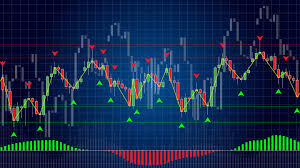
In the competitive world of Forex trading, every second and every piece of information can make a difference. Traders are constantly seeking tools that help them analyze the markets, execute trades efficiently, and make smarter decisions. The best forex trading tools can enhance technical analysis, improve trade timing, and increase the probability of success. But which tools truly provide an edge, and how can traders integrate them into their workflow effectively?
What Are Forex Trading Tools and Why Are They Important?
Forex trading tools are software, platforms, or indicators that assist traders in analyzing price data, tracking market trends, and executing trades. They help reduce human error, streamline analysis, and provide actionable insights.
Key purposes of Forex trading tools include:
- Technical Analysis: Identifying trends, reversals, and patterns in currency pairs.
- Trade Execution: Placing trades quickly and efficiently to capture opportunities.
- Risk Management: Monitoring positions, calculating stop-loss levels, and controlling exposure.
- Decision Support: Providing statistical or predictive insights to improve trading outcomes.
Using the right combination of tools enables traders to trade with confidence, accuracy, and speed.
Which Technical Analysis Tools Are Most Effective for Forex Traders?
Technical analysis tools are essential for identifying market trends, support and resistance levels, and potential entry or exit points. Here are the most reliable tools for Forex traders:
- Candlestick Charts: How Do They Reveal Market Psychology?
Candlestick charts provide a visual representation of price action over a specific time period. Each candlestick shows the open, high, low, and close prices, revealing:
- Market sentiment (bullish or bearish)
- Potential reversals and continuations
- Patterns such as Doji, Hammer, and Engulfing
Candlestick charts are the foundation of technical analysis and work well in combination with other indicators.
- Trend Indicators: How Can They Identify Market Direction?
Trend indicators, such as moving averages, help traders recognize whether the market is trending up, down, or sideways. Common tools include:
- Simple Moving Average (SMA): Smooths price data to reveal the overall trend.
- Exponential Moving Average (EMA): Places more weight on recent prices for quicker trend signals.
- Moving Average Convergence Divergence (MACD): Shows momentum and potential reversals by comparing two EMAs.
Trend indicators help traders align their trades with the dominant market direction, reducing the likelihood of entering against momentum.
- Oscillators: Can They Improve Timing for Entries and Exits?
Oscillators are used to measure market momentum and identify overbought or oversold conditions. Popular oscillators include:
- Relative Strength Index (RSI): Indicates whether a currency pair is overbought or oversold, aiding in timing reversals.
- Stochastic Oscillator: Compares closing prices to the trading range over a set period, helping pinpoint potential entry and exit points.
Oscillators are most effective when used alongside trend indicators to confirm trading signals.
Which Tools Enhance Trading Speed and Execution?
In fast-moving Forex markets, execution speed can significantly impact profitability. Tools that enhance speed include:
- Trading Platforms: Why Is Efficiency Key to Success?
Trading platforms are the central hub where analysis meets execution. Key features include:
- One-Click Trading: Allows instant trade execution with minimal delay.
- Customizable Charts: Enables quick visualization of multiple currency pairs.
- Integrated Indicators: Provides technical analysis without switching between tools.
Platforms like these streamline the trading process, reducing the chance of missed opportunities.
- Automated Trading Systems: Can Algorithms Reduce Human Error?
Automated trading systems, also known as Expert Advisors or trading bots, allow traders to execute pre-programmed strategies automatically. Benefits include:
- Consistent execution of strategies without emotional interference
- Backtesting to validate strategies using historical data
- Faster response to market events than manual trading
Automation is particularly valuable for high-frequency strategies or for traders who monitor multiple markets simultaneously.
Which Tools Provide Smarter Decision-Making Insights?
Smart decision-making in Forex relies on data-driven insights. The best tools for this purpose include:
- Economic Calendars: How Do They Affect Market Volatility?
Economic calendars list key financial events, such as:
- Interest rate announcements
- Employment data
- GDP reports
Understanding the timing and potential impact of these events helps traders anticipate volatility, adjust positions, and avoid unexpected losses.
- News Aggregators: Can Real-Time Information Improve Market Reactions?
Forex markets are influenced by global events. Real-time news aggregators consolidate market-moving information, providing traders with:
- Immediate updates on economic and geopolitical events
- Analysis from multiple sources
- Alerts for significant news impacting specific currency pairs
Quick access to accurate news allows traders to react faster and make more informed decisions.
- Risk Management Tools: How Do They Protect Capital?
Even the best strategies require careful risk control. Essential risk management tools include:
- Position Size Calculators: Determine optimal trade size based on account balance and risk tolerance.
- Stop-Loss and Take-Profit Orders: Automatically limit losses and lock in gains.
- Trailing Stops: Adjust stop levels as trades move in the trader’s favor.
These tools help preserve capital and ensure long-term sustainability in trading.
How Can Traders Combine Tools for Maximum Efficiency?
No single tool is sufficient for consistently profitable trading. Combining technical analysis, execution, and decision-making tools often yields the best results:
- Trend + Oscillator: Use moving averages to identify market direction and RSI to time entries.
- Platform + Automation: Analyze charts manually and implement automated strategies for rapid execution.
- News + Risk Management: Monitor economic events while using stop-loss and position-sizing tools to manage volatility.
Effective integration reduces errors, increases trade accuracy, and improves overall profitability.
What Are the Trends in Forex Trading Tools?
The Forex landscape is evolving with technological advancements:
- AI-Powered Analytics: Artificial intelligence analyzes historical and real-time data for predictive insights.
- Cloud-Based Platforms: Traders can access accounts and tools from any device, improving flexibility.
- Multi-Timeframe Analysis: Platforms now allow simultaneous analysis across multiple timeframes for better strategy confirmation.
- Social Trading Integration: Access to community insights and strategies enhances decision-making.
These trends make trading faster, smarter, and more adaptable to changing market conditions.
What Mistakes Should Traders Avoid With Forex Tools?
Even the best tools are ineffective if used incorrectly. Common mistakes include:
- Overloading Charts: Too many indicators create conflicting signals and confusion.
- Neglecting Risk Management: Tools enhance performance but cannot prevent losses without disciplined risk control.
- Ignoring Market Context: Indicators are most effective when aligned with broader market trends.
- Over-reliance on Automation: Automated strategies still require monitoring to adapt to unexpected market events.
Avoiding these pitfalls ensures tools enhance, rather than hinder, trading performance.
Conclusion: How Can Forex Trading Tools Improve Accuracy, Speed, and Decision-Making?
Forex trading tools are more than just software—they are extensions of a trader’s skillset. The right combination of technical analysis tools, execution platforms, and decision-support systems allows traders to:
- Make accurate market predictions
- Execute trades quickly
- Manage risk effectively
- Respond to market changes with confidence
Traders who integrate these tools strategically gain a significant advantage. While no tool guarantees profits, using the right mix enhances efficiency, sharpens analysis, and improves the probability of successful trading outcomes.
Ultimately, the most successful traders are those who combine knowledge, discipline, and advanced trading tools. By leveraging the best Forex trading tools available, traders can make smarter decisions, capitalize on opportunities faster, and achieve consistent growth in the competitive Forex market.