
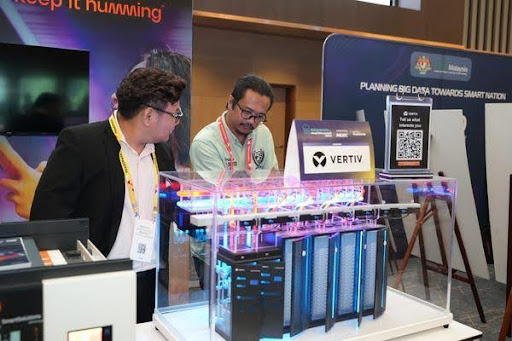
As digital ecosystems expand, enterprises face growing pressure to manage high-density workloads efficiently. Advanced infrastructure capable of supporting intensive computing, storage, and networking demands has become crucial. Leveraging data centre Malaysia solutions enables organizations to meet these requirements while maintaining operational reliability, scalability, and security. Next-generation facility platforms integrate cutting-edge technologies, optimized energy systems, and modular designs to ensure seamless service delivery for high-demand environments.
High-density operations, such as AI processing, big data analytics, and cloud computing, require infrastructure that not only supports performance but also enhances resilience and energy efficiency. By implementing next-gen platforms, enterprises can future-proof their systems, accommodate growing digital workloads, and optimize resource utilization without compromising security or service continuity.
1. Optimising Space and Power Utilisation
High-density environments demand infrastructure that maximizes both space and power efficiency.
- Modular rack and cabinet designs enable scalable deployment of servers, storage units, and networking equipment, optimizing available space. Modular systems allow data centres to add or remove capacity as needed without significant downtime. This flexibility ensures organizations can accommodate more computing resources without increasing their physical footprint, which is particularly valuable in regions where real estate and energy costs are high.
- Advanced cooling systems ensure efficient heat management in densely packed racks, preventing performance degradation and prolonging equipment lifespan. Innovative cooling methods, such as liquid cooling and hot/cold aisle containment, maintain optimal operating temperatures while reducing the energy required to keep systems running. This approach helps high-density deployments operate at maximum efficiency without the risk of overheating or equipment failure.
- Power distribution optimization guarantees a consistent energy supply to all devices, preventing overloads and supporting uninterrupted operations. Intelligent power management systems monitor consumption in real time, ensuring that resources are allocated where they are most needed. By balancing loads effectively, enterprises can reduce downtime risks and maintain smooth operations during peak usage periods.
2. Enhancing System Reliability and Resilience
Next-gen facility platforms are designed to maintain uninterrupted service, even under peak demand.
- Redundant power and networking systems minimize the risk of downtime, ensuring critical applications remain operational during failures. By incorporating dual power feeds, backup generators, and multiple network paths, enterprises can prevent single points of failure and maintain service continuity for critical business operations.
- High-availability components such as uninterruptible power supplies and backup generators provide additional layers of protection against unexpected outages. These components ensure that even during sudden power interruptions or equipment malfunctions, essential systems continue to operate without disruption, maintaining organizational productivity.
- Environmental monitoring tracks temperature, humidity, and airflow, preventing equipment failures caused by environmental factors. Sensors and automated controls allow administrators to detect anomalies early, adjust cooling or ventilation systems, and maintain optimal operating conditions for high-density workloads.
3. Supporting Scalable Workloads
Scalability is essential for enterprises experiencing dynamic growth in digital operations.
- Flexible platform architecture allows organizations to scale computing, storage, and networking resources as demand fluctuates. This flexibility enables enterprises to adapt to sudden spikes in workload without performance degradation, ensuring users and clients experience consistent service quality.
- Hybrid infrastructure support integrates on-premises systems with cloud resources, providing a seamless expansion pathway. By combining local servers with cloud capacity, businesses can efficiently manage peak demands while maintaining control over critical data and applications.
- Automated resource allocation optimizes performance while ensuring efficient utilization of computing power during peak workloads. Intelligent software monitors resource consumption and dynamically reallocates processing power, storage, and network bandwidth, ensuring critical applications remain responsive and stable.
4. Strengthening Data Security Measures
Securing high-density environments is critical to maintaining trust, compliance, and operational integrity.
- Segregated network zones and access controls restrict unauthorized access to sensitive systems, reducing security risks. By partitioning networks and implementing role-based access controls, enterprises ensure that only authorized personnel can access critical applications and data, minimizing the likelihood of breaches.
- Real-time monitoring for potential threats enables rapid detection and mitigation of security incidents. Continuous monitoring tools analyse network traffic, system behaviour, and access logs to identify anomalies and respond to potential cyber threats before they escalate.
- Encryption for data at rest and in transit ensures sensitive information remains protected from interception or tampering. Advanced cryptographic measures safeguard intellectual property, customer data, and financial information, providing a robust layer of security across all systems.
5. Improving Operational Efficiency
Efficient operations are essential to manage costs and maintain high performance in demanding environments.
- Integrated management platforms provide centralized control over power, cooling, and computing resources, simplifying operational oversight. Administrators can monitor the entire infrastructure from a single interface, improving decision-making and reducing response times for operational issues.
- Predictive analytics identify potential bottlenecks or equipment failures before they impact performance, enabling proactive maintenance. By analyzing historical data and usage patterns, enterprises can optimize workflows, prevent downtime, and enhance overall system efficiency.
- Automation of routine processes such as provisioning, monitoring, and reporting reduces human error and operational overhead. Automated workflows ensure consistent system management and free IT staff to focus on strategic tasks that drive business growth.
6. Enabling Advanced Technology Integration
Next-generation platforms support emerging technologies that drive innovation and competitive advantage.
- AI and machine learning workloads benefit from dedicated high-performance infrastructure designed to handle intensive computational requirements. Enterprises can run complex models efficiently without compromising overall system performance.
- Big data analytics leverage scalable storage and processing power for faster insights and decision-making. By providing robust infrastructure, organizations can analyse large datasets in real time, enabling informed business strategies.
- IoT deployments rely on infrastructure capable of managing large volumes of data generated by connected devices. Next-gen platforms ensure data collection, processing, and analysis occur seamlessly, supporting smarter decision-making.
7. Facilitating Business Continuity and Compliance
High-density facilities must support continuous operations while meeting regulatory standards.
- Redundant backup systems and off-site replication safeguard critical data against accidental loss or environmental incidents. Offsite copies ensure that even in extreme scenarios, vital information can be restored quickly, protecting operational integrity.
- Disaster recovery and failover planning minimize downtime and ensure continuity of services. Coordinated recovery plans and automated failover processes enable enterprises to maintain critical operations despite disruptions.
- Regular compliance monitoring ensures adherence to standards relevant to the industry, mitigating legal and financial risks. Monitoring helps organizations stay aligned with evolving regulations and maintain trust with clients and stakeholders.
Conclusion
Next-generation facility platforms are essential for enterprises managing high-density workloads. They provide scalable, reliable, and secure infrastructure that supports operational continuity, innovation, and growth.
DCCI 2026 – Malaysia offers a platform for organizations to explore the latest solutions, engage with technology leaders, and strengthen Malaysia’s cybersecurity practices. Participants gain insights into designing next-gen facilities, optimizing performance, and ensuring resilient, high-density digital operations that drive sustainable enterprise success.