
Financial markets have evolved significantly over the years, offering individuals and institutions multiple ways to participate in price movements across assets. One of the most widely explored segments today is commodities, which include metals, energy products, and agricultural goods. These instruments attract attention because they are linked to real-world demand and global economic activity. Understanding how commodity participation works, which tools are available, and how exchanges function can help traders make informed decisions while managing risk effectively.
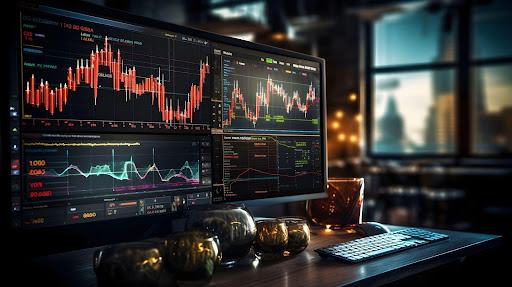
At the core of this participation lies the trading best platform, which plays a crucial role in enabling access, analysis, and execution. A reliable digital interface allows users to study price charts, follow news, place orders, and monitor positions in real time. Without such infrastructure, participating in commodities would be complex and inefficient. The right platform bridges the gap between global exchanges and individual traders, making the process structured and transparent.
Basics of Commodity Participation
Commodities are standardized goods that are traded on regulated exchanges. These goods are interchangeable, meaning quality and quantity specifications are predefined. Participants include producers, consumers, hedgers, and speculators, each with different objectives. Producers and consumers often use commodities to hedge price risk, while traders seek profit from price fluctuations.
Market participation usually happens through futures contracts, which are agreements to buy or sell a commodity at a predetermined price on a future date. These contracts provide price discovery and liquidity, allowing participants to respond quickly to global supply and demand changes. Understanding contract size, expiry dates, and margin requirements is essential before entering this segment.
Role of Global Exchanges
Global exchanges provide the structure and regulation needed for fair trading. They ensure transparency, standardization, and settlement mechanisms. One such exchange that often draws attention is linked to comex trading, which is widely known for metals like gold and silver. This exchange has become a benchmark for pricing precious metals worldwide.
Price movements on major exchanges influence domestic and international markets alike. Economic data, geopolitical events, and currency fluctuations often reflect immediately in commodity prices. Traders who monitor these factors can better anticipate potential trends and volatility. Learning how exchanges operate builds confidence and discipline in decision-making.
Importance of Market Knowledge
Having access alone is not enough; understanding market behavior is equally important. Prices in commodities are influenced by weather conditions, production levels, inventories, and global demand. For example, agricultural commodities react strongly to seasonal patterns, while metals respond to industrial demand and inflation expectations.
Participation in commodity market trading requires consistent learning and observation. Traders often follow reports, technical indicators, and historical data to identify potential opportunities. Risk management strategies, such as stop-loss orders and position sizing, are also essential to protect capital during uncertain market movements.
Tools That Support Decision Making
Modern digital platforms provide a range of tools that simplify analysis. Charting software helps visualize trends, while indicators such as moving averages or momentum oscillators assist in identifying entry and exit points. News feeds integrated into platforms keep traders informed about global events affecting prices.
Educational resources are another valuable feature. Many platforms offer tutorials, webinars, and demo accounts that allow users to practice without financial risk. These resources are especially helpful for beginners who want to understand how contracts behave before committing real funds.
Managing Risk in Volatile Conditions
Commodities are known for their volatility, which can work both for and against traders. Price swings can be sharp due to unexpected news or changes in supply. Effective risk management is therefore a priority. Setting clear goals, defining acceptable loss levels, and avoiding overleveraging are key practices.
Diversification across different commodities can also help balance risk. Instead of focusing on a single asset, spreading exposure reduces the impact of adverse price movements. A disciplined approach ensures that emotional decisions do not override strategy.
Technology and Accessibility
Advancements in technology have made commodity participation more accessible than ever. Mobile applications allow traders to monitor markets on the go, while cloud-based systems ensure fast execution. Automation features, such as alerts and conditional orders, help users respond quickly without constant monitoring.
The ease of access has attracted a wider audience, including retail participants. However, increased accessibility also means increased responsibility. Understanding platform features and market mechanics remains essential to avoid unnecessary losses.
Long-Term Perspective and Learning
Successful participation in commodities is rarely about quick gains alone. Many experienced traders focus on long-term consistency rather than short-term speculation. Keeping a trading journal, reviewing past decisions, and refining strategies over time contribute to steady improvement.
Market conditions change, and strategies that work today may not work tomorrow. Continuous learning and adaptability help traders stay relevant and resilient. Observing how global events influence commodities provides valuable insight into broader economic trends.
Understanding Participant Types and Their Objectives
Different participants enter commodity markets with varying goals, and understanding these roles helps clarify overall market behavior. Some participants are involved directly with production or consumption, while others participate purely for financial reasons. Each group contributes to liquidity, price discovery, and stability in its own way. When observing market movements, recognizing which group is most active can provide useful context.
Producers such as mining companies, farmers, or energy suppliers often participate to protect themselves from unfavorable price changes. By locking in prices in advance, they can stabilize revenues and plan operations more efficiently. Consumers, including manufacturers and refiners, also use markets to secure future supply costs, reducing uncertainty in budgeting and procurement.
Conclusion
Commodity participation offers opportunities to engage with global economic movements through structured and regulated markets. By understanding exchanges, using analytical tools, and applying disciplined risk management, individuals can approach this segment with greater confidence. Choosing the right digital infrastructure, staying informed, and learning continuously are essential steps toward sustainable participation.
For those seeking a reliable and user-friendly environment to begin or enhance their journey, Markettrade offers modern tools, educational support, and streamlined access designed to simplify market participation. Exploring such solutions can help traders focus on learning, strategy, and long-term growth with greater confidence.