
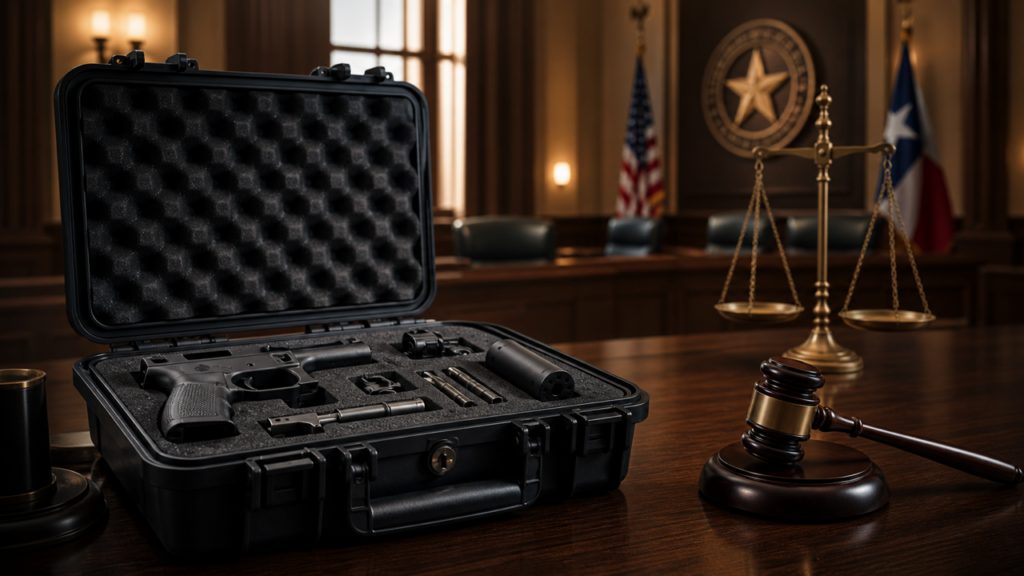
Modifying a firearm is a decision that carries both technical and legal weight. Many gun owners pursue modifications to improve performance, adapt to new shooting disciplines, or reduce long-term costs. Yet the legal dimension of any modification is often the most overlooked. Understanding where the law stands before making changes to your firearm is not optional—it is a fundamental part of responsible ownership. When considering a gun conversion kit, the first step should always be a thorough review of applicable federal, state, and local regulations. What is permitted in one jurisdiction may be entirely restricted in another, and the consequences of non-compliance can range from fines to criminal charges.
How Do Federal Laws Apply to Firearm Conversions?
At the federal level, the Bureau of Alcohol, Tobacco, Firearms and Explosives (ATF) governs the classification and modification of firearms. Certain conversions—particularly those that alter a firearm’s firing mechanism or change its classification—may trigger additional regulatory requirements, including registration or transfer processes.
It is important to understand that even unintentional non-compliance carries legal risk. Claiming ignorance of the law does not typically serve as a valid defense. This makes consulting with a knowledgeable firearms attorney or licensed dealer an essential early step in any modification project.
What State-Level Regulations Should You Be Aware Of?
State laws on firearm modifications are highly variable and often more restrictive than federal standards. Some states place specific limitations on caliber conversions, magazine compatibility, or changes to barrel length. Others require that modifications be disclosed during firearm registration updates.
Before purchasing any conversion components, research the specific laws in your state. Many state-level firearms associations publish updated legal guides for owners and can direct you to reliable resources. When in doubt, ask a licensed professional rather than proceeding based on assumptions.
Does Legal Compliance Affect Firearm Insurance or Liability?
This is a question many owners overlook entirely. Firearm insurance policies, where applicable, may include provisions that void coverage if the firearm has been modified in a way that is not legally sanctioned. In the event of an accident or theft, non-compliant modifications could complicate claims significantly.
From a liability standpoint, any harm caused by a firearm that has been illegally modified creates serious legal exposure for the owner. Courts have generally taken a strict view on this issue, and the presence of an unauthorized modification can influence outcomes in both civil and criminal proceedings.
How Can You Stay Current With Changing Firearm Laws?
Firearms legislation is not static. Laws are amended, new rulings are issued, and regulatory interpretations evolve over time. Building a habit of staying informed is one of the most practical things any firearm owner can do.
Subscribing to communications from reputable national firearms organizations, following updates from the ATF, and maintaining a relationship with a knowledgeable local dealer are all effective strategies. Annual reviews of your modification’s legal standing—particularly if you have relocated to a new state—are a sound practice that many owners overlook.
Responsible Ownership Starts With Legal Awareness
Legal compliance is not a barrier to enjoying firearm modifications—it is the foundation that makes safe and responsible modification possible. Owners who invest time in understanding the regulatory landscape protect themselves, their families, and the broader community.
Every firearm modification decision should begin with the question: “Is this legal where I live, and do I fully understand the implications?” If the answer to either part of that question is unclear, pause and seek guidance before proceeding. The firearms community is well-served by owners who take this responsibility seriously, and the legal framework exists not to obstruct lawful use but to ensure that modifications are carried out in ways that protect everyone involved.