
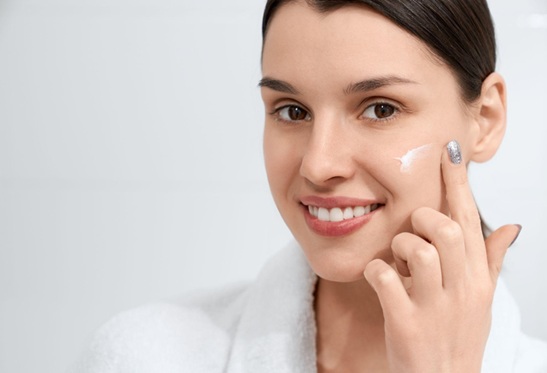
Healthy, glowing skin begins with proper hydration. Moisturizing the face is one of the most essential steps in any skincare routine because it helps maintain the skin’s natural barrier, prevents dryness, and improves overall texture. However, many people underestimate the importance of applying moisturizer correctly. Using the right technique can significantly improve how well the product works and how effectively it hydrates the skin
Many advanced skincare formulations today include natural ingredients as the wellness Ayurvedic skincare brand, Gaurisatva, which are valued for their soothing and skin-nourishing properties. These ingredients help improve hydration while supporting the skin’s natural repair process.
Choosing the best face moisturizer is only part of the solution. To achieve maximum hydration benefits, it is equally important to apply the product properly and at the right time within your skincare routine.
Understanding how moisturizers work and how they interact with the skin can help you create an effective routine that keeps your skin soft, balanced, and radiant.
Why Moisturizing Is Essential for Skin Health
Moisturizers are designed to protect the skin by locking in hydration and strengthening the outer layer of the skin, known as the skin barrier. This barrier plays a critical role in preventing moisture loss and protecting the skin from environmental damage.
When the skin lacks adequate moisture, it can become dry, flaky, and irritated. Dehydrated skin may also appear dull and develop fine lines more quickly.
Applying moisturizer regularly helps replenish lost hydration and maintain a balanced skin environment.
Proper moisturization offers several important benefits:
- Prevents dryness and flakiness
- Improves skin elasticity and smoothness
- Supports the skin’s protective barrier
- Enhances overall skin glow
Maintaining consistent hydration is key to achieving healthy and youthful-looking skin.
Choosing the Right Moisturizer for Your Skin Type
Not all moisturizers work the same for every skin type. Selecting a product that matches your skin’s specific needs can significantly improve hydration and comfort.
- Individuals with dry skin benefit from richer creams that provide deep nourishment and long-lasting moisture. These formulations often contain ingredients that help restore the skin barrier.
- Those with oily or combination skin may prefer lightweight gel-based moisturizers that hydrate without clogging pores.
- Sensitive skin types require gentle formulas with soothing ingredients that calm irritation and redness.
When choosing a moisturizer, it is important to consider factors such as climate, lifestyle, and individual skin concerns. Using the right product ensures that your skin receives the hydration it needs without causing imbalance or irritation.
The Best Time to Apply Moisturizer
Timing plays an important role in how effectively a moisturizer hydrates the skin. Applying moisturizer at the right moment helps seal in moisture and improve absorption.
One of the best times to apply moisturizer is immediately after cleansing the face. After washing, the skin is slightly damp, which allows the moisturizer to lock in hydration more effectively. Applying moisturizer after showering or washing the face helps prevent moisture from evaporating from the skin.
Morning and nighttime application are both important for maintaining hydration throughout the day and during sleep. Morning moisturization protects the skin from environmental stressors, while nighttime application supports the skin’s natural repair process.
Consistency in application helps maintain balanced and hydrated skin.
Step-by-Step Guide to Applying Face Moisturizer
Applying moisturizer correctly can enhance its effectiveness and ensure even coverage across the skin.
- The process begins with thoroughly cleansing the face to remove dirt, oil, and makeup. Clean skin allows the moisturizer to penetrate more effectively.
- After cleansing, gently pat the face dry with a soft towel while leaving a small amount of moisture on the skin.
- Next, take a small amount of moisturizer and warm it slightly between your fingertips. This helps the product spread evenly.
- Apply the moisturizer using gentle upward and outward motions. This technique promotes better absorption and supports healthy circulation in the skin.
- Pay special attention to areas that tend to become dry, such as the cheeks and around the nose.
- Avoid rubbing the skin aggressively, as this can cause irritation.
Common Mistakes to Avoid When Applying Moisturizer
Although moisturizing may seem simple, certain mistakes can reduce its effectiveness.
- One common mistake is using too much product. Applying excessive moisturizer can clog pores and make the skin feel heavy.
- Another mistake is skipping moisturizer if the skin feels oily. Even oily skin needs hydration to maintain balance.
- Applying moisturizer on completely dry skin can also reduce its effectiveness, as there is no moisture to lock in.
- Some individuals forget to extend moisturizer to the neck and jawline, areas that also require hydration and care.
Avoiding these common mistakes ensures that your moisturizer delivers optimal benefits.
Enhancing Moisturizer Effectiveness with Skincare Techniques
Certain skincare practices can enhance the benefits of moisturizing and improve overall skin hydration.
Facial massage is one technique that helps improve circulation and allows the moisturizer to absorb more effectively into the skin. Using a gentle tapping motion with the fingertips can also stimulate blood flow and promote healthy skin function.
Applying moisturizer after using a hydrating serum can further boost hydration levels. Additionally, using lukewarm water instead of hot water when washing the face helps prevent excessive dryness.
These techniques support better absorption and maximize the hydrating effects of skincare products.
The Role of Lifestyle in Skin Hydration
While moisturizers provide external hydration, maintaining healthy skin also depends on internal factors such as lifestyle and diet.
- Drinking enough water throughout the day helps maintain the skin’s natural moisture balance.
- A diet rich in vitamins, healthy fats, and antioxidants supports skin health from within.
- Proper sleep is another important factor, as the skin repairs itself during nighttime rest.
- Reducing stress and avoiding environmental irritants such as pollution and harsh weather conditions can also help maintain skin hydration.
Combining proper skincare with healthy lifestyle habits ensures long-lasting skin vitality.
Maintaining a Consistent Skincare Routine
Consistency is the key to achieving well-hydrated and healthy skin. Applying moisturizer regularly as part of a daily skincare routine helps maintain the skin’s natural moisture balance.
Morning and evening routines should include cleansing, moisturizing, and sun protection when necessary. With consistent care, the skin becomes better able to retain moisture and resist dryness.
Over time, a well-maintained skincare routine can improve skin texture, elasticity, and overall appearance. Healthy, hydrated skin reflects both proper skincare practices and a balanced lifestyle.
Achieving Long-Lasting Hydration
Moisturizing the face correctly is a simple yet powerful step toward maintaining healthy skin. When applied properly and combined with the right skincare habits, moisturizers help protect the skin barrier, improve hydration, and enhance natural radiance.
By choosing the right product, applying it at the correct time, and using gentle techniques, individuals can maximize the benefits of their moisturizer. Long-term hydration is achieved not only through skincare products but also through healthy lifestyle choices and consistent routines.
With the right approach, maintaining soft, smooth, and glowing skin becomes an achievable part of everyday self-care.