
The growing interest in healthy and sustainable food options has led to an increased demand for mushrooms in the market. One of the most commonly asked questions among consumers and retailers alike is about the mushroom price per kg, as it helps in planning both home consumption and commercial procurement. With mushrooms being versatile and rich in nutrients, they are increasingly recognized as a key ingredient in modern diets. Understanding the market trends, cultivation techniques, and types of mushrooms can significantly aid in making informed purchasing decisions and optimizing the benefits of this natural food source.
Nutritional Value of Mushrooms
Mushrooms are a powerhouse of essential nutrients. They are low in calories but high in proteins, vitamins, and minerals. Some of the key nutritional components include:
- Proteins and Amino Acids: Mushrooms provide plant-based protein, which supports muscle growth and repair.
- Vitamins: Rich in B-vitamins such as riboflavin, niacin, and pantothenic acid, mushrooms support energy production and overall metabolism.
- Minerals: Selenium, potassium, and copper found in mushrooms contribute to immune function and heart health.
- Antioxidants: Compounds like ergothioneine and glutathione help reduce oxidative stress and promote longevity.
Incorporating natural mushroom varieties into your diet ensures that you gain these benefits without the risks associated with artificial additives or preservatives.
Types of Mushrooms Commonly Available
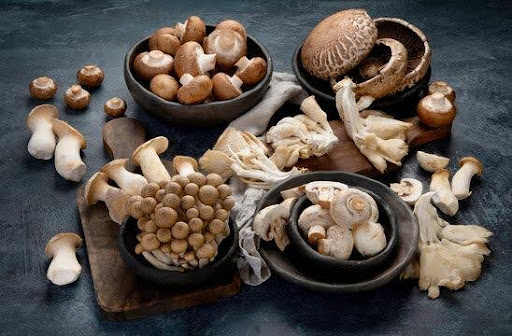
Mushrooms come in a variety of shapes, colors, and flavors, each suited for different culinary and medicinal uses. Some popular types include:
- Button Mushrooms: Mild in flavor, ideal for salads, soups, and sautéed dishes.
- Portobello Mushrooms: Meaty texture, commonly used as a meat substitute in sandwiches and burgers.
- Shiitake Mushrooms: Rich in umami flavor, often used in Asian cuisines and soups.
- Oyster Mushrooms: Delicate flavor and texture, perfect for stir-fries and light dishes.
- Enoki Mushrooms: Thin and crunchy, commonly used in soups and salads.
Consumers are increasingly seeking natural mushroom options due to their organic cultivation methods and absence of chemical treatments.
Factors Affecting Mushroom Prices
Several factors influence the mushroom price per kg, making it essential to understand market dynamics:
- Seasonal Availability: Prices fluctuate based on harvest cycles and weather conditions.
- Type of Mushroom: Exotic mushrooms, such as morel or truffle, command higher prices compared to common varieties.
- Supply Chain: Transportation, storage, and distribution costs can impact the retail price.
- Organic vs. Conventional: Mushrooms grown naturally without chemical inputs tend to be slightly higher in price but offer superior quality and taste.
Understanding these variables helps consumers and retailers make informed decisions regarding both buying and pricing strategies.
Cultivation Techniques for Quality Mushrooms
The cultivation of mushrooms requires careful management to ensure high yield and superior quality. Here are some widely adopted techniques:
- Substrate Preparation: Using nutrient-rich materials like straw, compost, or sawdust is essential for proper mushroom growth.
- Spawning: Introducing high-quality spores or mycelium into the substrate to initiate growth.
- Environmental Control: Maintaining optimum temperature, humidity, and ventilation for ideal growth.
- Harvesting: Timely harvesting ensures maximum nutritional value and prevents spoilage.
- Packaging and Storage: Proper handling post-harvest is crucial for extending shelf life and retaining freshness.
Farmers focusing on natural mushroom cultivation prioritize eco-friendly practices that ensure sustainability and better taste.
Health Benefits of Mushrooms
Including mushrooms in your diet offers several health benefits beyond basic nutrition. Some key advantages include:
- Boosts Immunity: Compounds in mushrooms help strengthen the immune system, making the body more resilient to infections.
- Supports Heart Health: Low cholesterol and the presence of potassium contribute to better cardiovascular health.
- Enhances Brain Function: Antioxidants and bioactive compounds in mushrooms may improve cognitive function and reduce the risk of neurodegenerative diseases.
- Weight Management: Low-calorie and high-fiber content makes mushrooms a perfect food for weight-conscious individuals.
By choosing natural mushroom varieties, you maximize these health benefits while enjoying fresh and flavorful produce.
Culinary Uses and Popular Recipes
Mushrooms are highly versatile in cooking. Their unique texture and flavor make them suitable for a wide range of recipes. Some popular uses include:
- Soups and Stews: Mushrooms add depth of flavor and a rich umami taste.
- Stir-fries: Quick cooking preserves nutrients and enhances the dish’s texture.
- Salads: Raw or lightly sautéed mushrooms complement leafy greens and other vegetables.
- Grilled or Roasted: Portobello and shiitake mushrooms are ideal for grilling, adding a smoky flavor to meals.
- Sauces and Pastas: Mushrooms enrich sauces, providing a hearty and aromatic base for pasta dishes.
Using fresh, natural mushrooms ensures optimal taste and nutritional value in all recipes.
Market Trends and Consumer Preferences
The mushroom industry has seen significant growth over the years due to rising health awareness and dietary trends. Key market trends include:
- Preference for Organic Produce: Consumers increasingly favor mushrooms grown without synthetic fertilizers or pesticides.
- Rise in Specialty Mushrooms: Gourmet mushrooms like lion’s mane and maitake are gaining popularity among health-conscious buyers.
- Retail and Online Availability: Supermarkets and e-commerce platforms offer convenient access to high-quality mushrooms.
- Local Sourcing: Buyers prefer locally grown mushrooms to ensure freshness and support regional farmers.
By staying informed about market trends, consumers can make better purchasing decisions based on both quality and price.
Sustainable Practices in Mushroom Farming
Sustainable farming practices not only enhance quality but also protect the environment. Some methods include:
- Use of Organic Substrates: Avoiding chemical fertilizers and pesticides ensures safer consumption.
- Water Management: Efficient irrigation systems reduce water wastage.
- Waste Recycling: Mushroom farms can repurpose spent substrate as compost for agriculture.
- Energy Efficiency: Implementing energy-saving techniques in climate control systems.
Choosing natural mushroom options from farms that follow sustainable practices guarantees better taste, higher nutrition, and environmental responsibility.
Conclusion
Mushrooms are more than just a culinary delight, they are a source of nutrition, health, and sustainable living. By understanding the mushroom price per kg and focusing on natural mushroom varieties, consumers can make informed choices that benefit both their health and the environment. With their wide range of applications in cooking, medicine, and nutrition, mushrooms remain a versatile and valuable addition to modern diets.
For those seeking reliable sources of high-quality mushrooms, Mushroom Nursery India Pvt Ltd offers premium, naturally cultivated mushrooms. Their commitment to sustainable practices ensures that every purchase supports healthy living and eco-friendly farming. Choosing their products guarantees freshness, superior taste, and nutritional value, making them a trusted name in mushroom cultivation.