
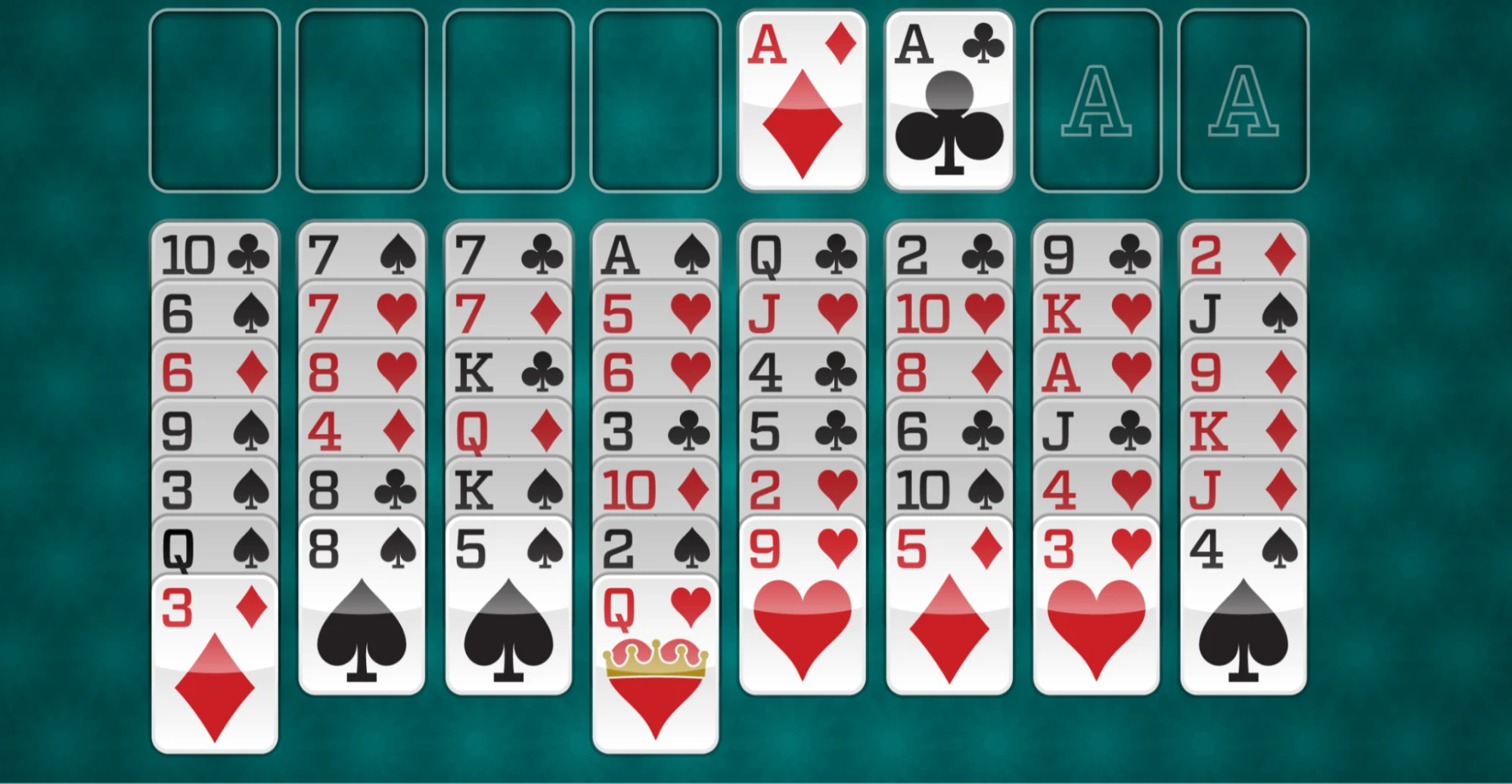
Freecell is a timeless card game that tests your strategy and decision-making skills with each move you make. Unlike traditional solitaire, Freecell offers a unique challenge, with almost every deal being solvable if you approach it correctly. Whether you’re a beginner or an experienced player, honing your Freecell strategies is essential for mastering the game and improving your overall performance. In this article, we’ll explore effective strategies that can help you unlock success in every Freecell game.
Understanding the Basics of Freecell
Before diving into strategies, it’s important to understand the fundamental rules of Freecell. The game consists of a deck of 52 cards, which are dealt into eight columns, with the top card of each column exposed. There are four empty foundation piles, one for each suit, where the goal is to stack cards from Ace to King in ascending order. Additionally, you have four free cells at your disposal to temporarily hold cards, allowing you to maneuver more freely.
The key difference between Freecell and traditional solitaire lies in the layout and the fact that the game is nearly always solvable, making strategy a pivotal element. The challenge is figuring out how to move the cards efficiently and use the free cells and foundation piles to your advantage.
Plan Ahead and Prioritize Free Cells
One of the most important strategies in Freecell is planning your moves ahead of time. Unlike games where you can rely on luck to get through, Freecell demands careful thinking and foresight. Start by assessing the layout and identifying which columns can be cleared quickly.
Focus on freeing up the free cells early in the game. Each time you place a card in a free cell, it gives you more flexibility to move other cards around. The free cells act as temporary storage for cards that might block your progress, and using them strategically can lead to a smoother path to victory. Having free cells available at crucial moments is key to unlocking many possible moves that would otherwise be blocked.
Uncover Hidden Cards Early
The layout of Freecell often hides cards beneath other cards in the columns. The goal should be to expose these hidden cards as soon as possible. Look for columns that contain cards near the bottom of the stack, and aim to free those cards first.
Use your free cells wisely when uncovering cards. Sometimes, temporarily storing a card in a free cell can help you unearth cards that are essential for continuing your game. For example, if a card is blocked by a higher one, moving the higher card to an empty column or free cell may allow you to retrieve the card beneath it.
Create Empty Columns
Empty columns are extremely valuable in Freecell, offering the ability to move entire sequences of cards. Whenever possible, aim to clear a column entirely so that you can use it as a temporary holding space for a sequence of cards. This tactic can help you reorganize columns and create new opportunities to move other cards.
However, don’t rush to clear columns without thinking. Clearing a column may leave you with fewer options if it’s not used strategically. Instead, clear columns only when it will benefit your overall strategy and provide more flexibility for future moves.
Focus on Building Foundations
As in any solitaire-style game, the ultimate goal of Freecell is to move all cards to the foundation piles. Keep this in mind as you make each move, and try to prioritize building your foundation piles whenever possible.
Start by placing low-ranking cards (Aces and Twos) in their respective foundation piles as soon as they’re available. As you progress, try to move cards from the columns to the foundation piles in ascending order. Building the foundation piles early allows you to focus on clearing out the remaining cards more efficiently.
Move Cards Between Columns Wisely
Moving cards between columns is often necessary to make progress in Freecell, but it’s important to do so strategically. When moving cards, aim to create empty spaces, uncover hidden cards, and build up long sequences of cards that can be transferred between columns.
Look for opportunities to move cards that don’t block other moves. If a card is in a column and doesn’t help you advance the game, consider whether moving it to another column might open up better options. Be cautious about leaving too many single cards in columns, as this can limit your ability to build longer sequences of cards.
Keep an Eye on the Suits
Freecell is a game of both numbers and suits. As you progress through the game, be mindful of the suits that have been played to the foundation piles. This is particularly important when you’re trying to build sequences in the columns.
In many cases, the top card of each column will belong to a different suit, and it’s essential to match these suits in the foundation piles. Whenever you can, prioritize moving cards to the foundation piles in the correct order, as this will help you create more space and open up new possibilities for moves.
Avoid Stalemates
One of the biggest risks in Freecell is reaching a stalemate, where no moves are possible, and the game becomes unsolvable. To avoid this situation, always consider whether your moves might block future progress. Try not to lock up cards that are essential for later stages of the game. Be especially cautious about filling free cells too early, as this can limit your ability to move cards around when you need them.
The key to avoiding stalemates is to constantly assess the layout of the game and make decisions that allow for future moves. If you find yourself in a tough spot, consider backtracking and reevaluating your strategy.
Final Thoughts
Freecell is a game of patience, strategy, and foresight. Unlike other card games where luck can play a significant role, Freecell rewards players who approach the game with careful planning and tactical thinking. By focusing on strategies like freeing up free cells, uncovering hidden cards, and creating empty columns, you can unlock success with every move you make.
Mastering Freecell takes time, but with these strategies in mind, you’ll be well on your way to becoming a skilled player. Whether you’re playing for relaxation or challenging yourself to improve your performance, each game presents new opportunities to refine your skills and enjoy the satisfaction of solving the puzzle.