
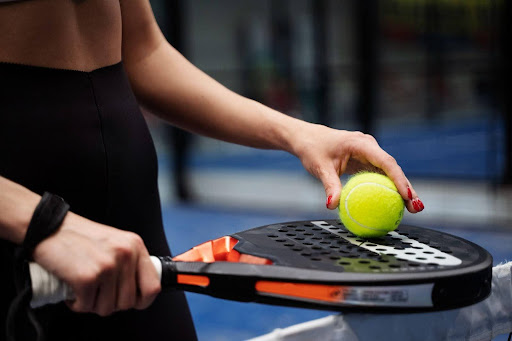
The growing demand for high-performance sports surfaces has brought turf synthetic grass into focus as a reliable and adaptable option for modern recreational and professional facilities. Across Saudi Arabia, interest in padel as a competitive and social sport has increased steadily, encouraging developers, clubs, and institutions to invest in durable court infrastructure. This shift has highlighted the importance of surface quality, player comfort, and long-term maintenance efficiency, all of which contribute to the overall success of padel facilities in diverse environments.
Rising Popularity of Padel as a Modern Sport
Padel has emerged as one of the fastest-growing racket sports in the region due to its accessibility and social appeal. The game combines elements of tennis and squash, making it easy for beginners while still offering depth for experienced players. This popularity has encouraged private investors, sports academies, and community planners to develop purpose-built courts that meet international expectations. Reliable surface solutions are a key component in ensuring that these courts remain safe, visually appealing, and consistent in performance.
Importance of Surface Selection for Padel Courts
Choosing the right playing surface directly influences ball bounce, traction, and player safety. A well-designed court surface helps reduce fatigue and lowers the risk of injuries during rapid directional changes. Modern surface systems are engineered to offer consistent play while accommodating varying weather conditions. In regions with high temperatures and exposure to sunlight, surface durability becomes an even more critical factor in planning long-term sports infrastructure.
Key Features That Enhance Playing Performance
Several characteristics define a quality padel court surface and ensure a professional playing experience. These features are carefully considered during planning and installation stages to meet performance expectations.
- Balanced shock absorption to support joint comfort
- Stable ball response for predictable gameplay
- Textured finish to maintain grip during movement
- Resistance to heat and UV exposure
- Uniform surface leveling across the court
These attributes help maintain consistency throughout matches and training sessions.
Design Flexibility for Different Facility Types
Padel courts are now being developed in a variety of settings, including residential communities, commercial sports hubs, and educational institutions. Surface systems are available in multiple color options and pile heights, allowing designers to align courts with branding or architectural themes. This flexibility supports both indoor and outdoor applications while maintaining functional standards required for competitive play.
Role of Climate Considerations in Saudi Arabia
Saudi Arabia’s climate presents unique challenges for outdoor sports surfaces. High temperatures, sand exposure, and varying humidity levels require materials that can withstand environmental stress without compromising performance. Advanced surface systems are designed to retain their structure and appearance under prolonged heat exposure. Effective drainage solutions also help prevent water accumulation during occasional rainfall, supporting uninterrupted use.
Installation Process and Technical Precision
Professional installation is essential to achieve optimal surface performance. Each stage of the process is carried out with precision to ensure longevity and safety. The foundation preparation, base leveling, and surface alignment all play vital roles in the final outcome.
- Assessment of site conditions and sub-base quality
- Ground preparation to ensure stability
- Accurate surface laying and tension control
- Integration of infill materials where required
- Final inspection and performance testing
Attention to these steps ensures that courts meet expected standards from the first match onward.
Long-Term Maintenance Advantages
One of the reasons modern surface systems are preferred is their low maintenance requirement. Compared to traditional materials, they reduce the need for frequent repairs or resurfacing. Routine cleaning and periodic inspections are usually sufficient to preserve performance. This efficiency is especially valuable for facilities that host frequent matches or operate year-round.
Supporting Community and Competitive Development
High-quality courts encourage participation across age groups and skill levels. Community facilities benefit from surfaces that can handle regular use without deterioration. At the same time, competitive venues require consistency to support training and tournaments. Reliable surface solutions help bridge this gap, making padel accessible while maintaining professional standards.
Economic and Operational Considerations
Investing in durable court surfaces contributes to long-term cost efficiency. Reduced maintenance, extended lifespan, and consistent performance lower overall operational expenses. Facility owners benefit from predictable upkeep costs, while players enjoy a dependable playing environment. These factors are increasingly influencing decision-making among developers and sports organizations.
Enhancing Player Experience Through Technology
Modern surface systems incorporate technological advancements aimed at improving gameplay. Fiber composition, backing materials, and infill design are engineered to work together. This integration enhances traction and stability without sacrificing comfort. Such innovations support the evolving expectations of players who seek both performance and safety.
Alignment With International Standards
As padel gains recognition globally, adherence to international court specifications has become important. Quality surface systems are developed to align with these standards, enabling facilities in Saudi Arabia to host competitive events and attract international interest. Consistency in surface performance plays a role in building credibility within the global padel community.
Contribution to Sustainable Sports Development
Sustainability is becoming an important consideration in sports infrastructure planning. Modern surface solutions are designed with efficient material usage and extended lifespan in mind. Reduced water consumption and minimal chemical treatments contribute to environmentally responsible facility management. These benefits align with broader sustainability goals within the region.
Strategic Value of Professional Expertise
Working with experienced specialists ensures that each project benefits from technical knowledge and industry insight. From planning to execution, expert guidance helps avoid common challenges and ensures compliance with performance expectations. This expertise is particularly valuable for projects involving Padel Court turf installation in Saudi Arabia, where local conditions and regulations must be carefully addressed.
Conclusion
The continued growth of padel across Saudi Arabia highlights the importance of investing in reliable, high-quality court surfaces. Thoughtful surface selection, professional installation, and long-term maintenance planning all contribute to successful facilities that serve both recreational and competitive needs. As demand continues to rise, trusted solution providers play an essential role in shaping modern sports environments.
For organizations and developers seeking dependable expertise and tailored solutions, Padel Factory offers professional support aligned with international standards and regional requirements. With a focus on quality, performance, and durability, Padel Factory can help transform padel court projects into lasting sports assets that support the game’s future growth.