
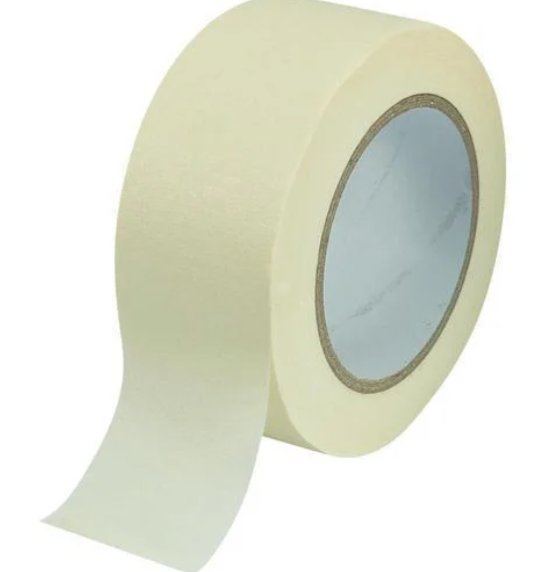
When it comes to painting, one of the most challenging aspects is creating sharp, clean edges. The frustration of paint bleeding under your tape or uneven lines can often ruin the professional look you’re striving for. Masking tape quickly becomes the hero of the day, providing a simple solution to perfect those edges. Understanding how masking tape works and the benefits it offers can transform an ordinary paint job into a polished masterpiece.
Whether you’re sprucing up your living space or completing a creative painting project, let’s explore the advantages of using masking tape to achieve clean lines in your paintwork.
Why Clean Edges Matter in Painting
Clean edges transform the look of any project. Whether painting a room, furniture, or a canvas, crisp lines add a polished, professional finish that enhances the overall aesthetics. Uneven borders, paint smears, and color bleeding can make your work look rushed and amateur. A sharp edge defines spaces and creates contrast, lending a design a clean, structured appearance that pleases both the eye and the mind.
Using masking tape offers an easy, reliable method to ensure that your work looks clean and professional without requiring advanced painting skills.
Benefits of Using Masking Tape for Clean Painting Edges
Masking tape is more than just an adhesive strip; it’s a multi-functional tool that simplifies the painting process while ensuring perfection. Here are the key benefits masking tape brings to your painting projects:
- Creates Sharp, Clean Edges
Masking tape is specifically designed to stick securely on surfaces while blocking paint from seeping underneath. Applying a strip along the edges of the area you want to protect ensures a crisp boundary where one paint color stops, and the next begins. This is particularly useful for creating two-tone walls, geometric patterns, or uniquely styled accent designs.
- Saves Time and Effort
Painting without masking tape often means meticulously trying to control your brushstrokes to avoid uneven edges or spills. Masking tape eliminates the guesswork by providing a clearly defined boundary. Instead of focusing on being precise, painters can work more quickly and confidently knowing their tape has them covered.
- Reduces Paint Bleeding
The adhesive quality of masking tape forms a temporary barrier between your work area and other surfaces, minimizing the risk of paint bleeding. With careful application, masking tape seals tightly to the surface but removes easily, leaving smooth lines and flawless boundaries.
- Protects Adjacent Surfaces
When painting edges near ceilings, moldings, or trim, even the steadiest hand can falter. Masking tape acts as a shield for adjacent surfaces, ensuring they remain clean and unmarked while allowing room to work freely. Additionally, it prevents accidental splatters or drips.
- Enhances Complex Designs
For those with a more creative vision, masking tape makes intricate designs and patterns achievable. Want to create a bold stripe wall? Or maybe a herringbone accent? Masking tape lets you define clean sections of your space, making even the most complicated designs manageable for beginners and seasoned painters alike.
- Ensures Professional Results
One of the primary reasons painters choose masking tape is its ability to deliver professional-looking results with minimal effort. It helps elevate the visual quality of any paint job, whether it’s a home DIY project, office revamp, or artistic endeavor.
- Versatility Across Surfaces
Masking tape works on a wide variety of surfaces, including walls, wood, glass, and metal. This versatility means you can use it confidently for multiple projects, from painting walls to reviving furniture or creating stunning artwork.