
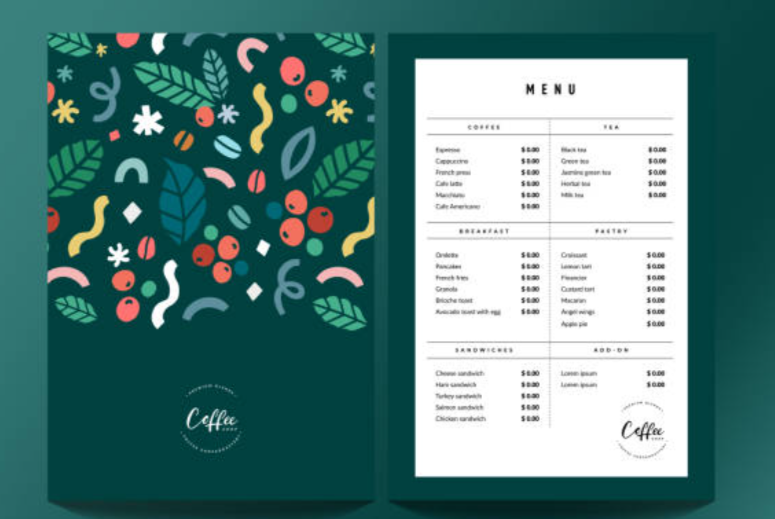
The moment guests pick up your menu, they form their first impression of your establishment. That crucial interaction happens before they’ve tasted a single dish, yet it can determine whether they view your restaurant as a premium dining destination or just another place to grab a bite. Professional menu covers with custom branding elements serve as silent ambassadors for your restaurant, communicating quality, attention to detail, and brand personality without saying a word.
Restaurant owners often underestimate the power of this simple yet impactful touchpoint. While investing thousands in kitchen equipment and interior design, many overlook how a well-designed menu cover can elevate the entire dining experience. Custom-branded menu covers don’t just protect your menu pages—they create anticipation, reinforce your brand message, and contribute to the overall atmosphere that keeps customers coming back.
Understanding how to leverage custom branding options for your menu covers can transform a functional necessity into a powerful marketing tool that works around the clock.
The Psychology Behind Menu Presentation
Diners make subconscious judgments within seconds of handling your menu. The texture, weight, and visual appeal of your menu cover immediately signal whether they’re dining at an upscale establishment or a casual spot. This psychological impact extends far beyond aesthetics—it influences spending patterns, perceived value, and overall satisfaction with the dining experience.
Research in consumer psychology reveals that presentation significantly affects taste perception. When guests feel they’re holding something premium and well-crafted, they approach the menu with higher expectations and greater willingness to invest in their meal. The opposite holds true as well: poorly presented menus can diminish the perceived quality of even exceptional cuisine.
Custom branding on menu covers taps into this psychology by creating consistency between your restaurant’s identity and the guest experience. When every element aligns—from your logo placement to color schemes—diners feel confident in their choice to dine with you.
Essential Elements of Effective Custom Branding
Creating impactful custom-branded menu covers requires careful consideration of several key design elements. Your logo placement should be prominent without overwhelming the overall design. Consider positioning it in the upper portion of the cover where it naturally catches the eye, but ensure it doesn’t compete with decorative elements or imagery.
Color selection plays a crucial role in brand recognition and emotional response. Colors should align with your restaurant’s overall palette while considering practical factors like durability and stain resistance. Rich, sophisticated colors often work well for fine dining establishments, while bright, energetic hues suit casual dining environments.
Typography choices extend your brand personality through every word. The fonts used for your restaurant name, tagline, or decorative text should complement your interior design and target demographic. Script fonts convey elegance and tradition, while modern sans-serif options suggest contemporary sophistication.
Material selection impacts both durability and brand perception. Leather covers suggest luxury and craftsmanship, while textured synthetic materials can offer durability with visual appeal. The choice should reflect your restaurant’s positioning and practical needs for daily use.
Material Options That Make a Statement
The foundation of any impressive menu cover lies in its material selection. Each option offers distinct advantages for different restaurant environments and branding goals.
Genuine leather remains the gold standard for upscale establishments. Its natural texture, rich appearance, and ability to develop character over time make it ideal for steakhouses, wine bars, and fine dining restaurants. Leather accepts custom embossing beautifully, allowing for raised logo impressions that guests can actually feel.
Synthetic leather alternatives provide similar aesthetic appeal with enhanced durability and easier maintenance. These materials resist stains better than genuine leather while offering consistent appearance over time. They work particularly well for restaurants with high volume or messy menu items.
Vinyl covers offer the most versatility in terms of color, texture, and custom printing options. Modern vinyl can mimic leather, fabric, or even wood textures while providing exceptional durability. The ability to print full-color graphics directly onto vinyl makes it perfect for restaurants wanting photographic elements or complex designs.
Fabric-covered options create warmth and sophistication while offering unique texture possibilities. From linen to canvas to specialty textiles, fabric covers can incorporate patterns, textures, and colors that perfectly complement your interior design theme.
Customization Techniques That Elevate Your Brand
Modern customization techniques allow restaurants to create truly unique menu covers that stand apart from standard offerings. Hot stamping creates elegant metallic impressions of logos or text, available in gold, silver, copper, or other specialty foils. This technique works exceptionally well on leather and vinyl surfaces.
Embossing adds dimensional quality to your branding elements, creating raised impressions that guests can feel. This tactile element adds perceived value and memorability to the menu experience. Debossing creates the opposite effect, pressing elements into the material for subtle sophistication.
Digital printing opens unlimited possibilities for full-color graphics, photographs, and complex designs. Modern printing techniques can reproduce artwork, patterns, or photographic elements with stunning clarity and color accuracy.
Laser engraving provides precise, permanent customization options that won’t fade or wear over time. This technique works particularly well for modern, minimalist designs or when durability is a primary concern.
Practical Considerations for Restaurant Operations
While aesthetics matter, practical functionality ensures your investment continues paying dividends through daily use. Consider your restaurant’s specific operational needs when selecting materials and customization options.
Size specifications should accommodate your menu format while feeling comfortable in guests’ hands. Standard sizes work for most establishments, but custom dimensions might better serve unique menu formats or table configurations.
Durability requirements vary based on your service style and volume. High-volume casual restaurants need materials that withstand frequent handling and cleaning, while intimate fine dining establishments might prioritize luxury materials with gentler care requirements.
Maintenance considerations affect long-term appearance and cost-effectiveness. Some materials require special cleaning products or techniques, while others can be wiped clean with standard sanitizing solutions. Factor these requirements into your selection process.
Maximizing Return on Investment
Custom-branded menu covers represent a long-term investment in your restaurant’s image and guest experience. To maximize returns, consider ordering sufficient quantities to maintain consistency even as individual covers show wear. Having backup covers ensures your brand presentation never falters.
Seasonal variations can keep your branding fresh while maintaining consistency. Consider covers in different colors or with seasonal elements that rotate throughout the year while keeping core branding elements constant.
Staff training on proper handling and maintenance extends the life of your investment. Simple care instructions can prevent unnecessary damage and keep covers looking professional longer.
Building Brand Recognition Through Consistency
Consistency across all brand touchpoints reinforces your restaurant’s identity and builds customer loyalty. Your menu covers should seamlessly integrate with other branded elements like business cards, signage, and promotional materials.
Color matching ensures brand recognition across different materials and printing processes. Work with your customization provider to achieve color consistency between your menu covers and other marketing materials.
Typography consistency extends your brand personality throughout the guest experience. Using the same fonts across menu covers, interior signage, and marketing materials creates cohesive brand recognition.
Creating Memorable Guest Experiences
The goal of custom-branded menu covers extends beyond simple brand recognition. They should contribute to memorable experiences that encourage repeat visits and positive word-of-mouth recommendations.
Tactile elements like textured materials or raised impressions create multi-sensory experiences that stick in guests’ memories. People remember how things feel, and a well-crafted menu cover becomes part of their overall dining memory.
Photographic opportunities arise when guests encounter beautifully designed menu covers. Social media-worthy presentations encourage organic marketing through guest posts and reviews.
Making the Investment Work for Your Business
Custom-branded menu covers represent a smart investment in your restaurant’s long-term success. They work continuously to reinforce your brand, enhance guest experiences, and justify premium pricing strategies.
The key lies in choosing options that align with your brand positioning, operational needs, and budget constraints. Whether you select luxurious leather with gold stamping or durable vinyl with full-color printing, the investment pays dividends through enhanced guest perception and improved brand recognition.
Take time to evaluate your current menu presentation honestly. Consider how custom-branded covers could elevate your guest experience and support your business goals. The right menu covers don’t just hold your menu—they hold the power to transform first impressions into lasting customer relationships.